


Begin by assessing light, soil and access before clearing weeds. Plan beds, paths and a water source to save effort later.

Select compact varieties and reliable crops that suit your space. Check sowing dates and harvest windows before ordering packets.


Todays Pick
Most Recent

Use deep pots with drainage and position them near a kitchen door. Water regularly and pick leaves often to keep plants bushy.

Choose rootstocks suited to your soil and climate. Prepare a wide planting hole and stake young trees firmly against wind.
Advertisement

Editor Choice
Add well-rotted organic matter each autumn and avoid digging wet clay. Mulch regularly to improve structure and drainage over time.

Balance green and brown materials in a lidded bin. Turn occasionally and keep moist to create crumbly compost within months.

Encourage frogs and birds, use copper barriers and remove hiding places. Nightly checks after rain can prevent heavy losses.


Most Popular

Clear spent crops, spread compost and repair raised beds. Sow green manures and protect tender plants before cold weather arrives.
Choose short-season varieties and shelter plants from wind. Pinch out sideshoots and feed regularly once flowers set fruit.

Plant mint, thyme, chives and sage for reliable harvests. These hardy herbs suit borders, pots and herb spirals in most gardens.

Featured Videos

Use good compost and keep plants well watered during fruiting. Net against birds and remove runners to focus energy on berries.


Popular Posts

Use a simple kit to check acidity or alkalinity. Adjust with garden lime or sulphur according to the crops you plan.

Collect fallen leaves in autumn and store them in sacks. After a year or two, use the crumbly mould as mulch or potting mix.

Mix strong-scented flowers and herbs among vegetables. This can mask host plants and attract beneficial insects to your plot.

Sow field beans, grazing rye or phacelia to protect soil. Dig them in before flowering to add organic matter and nutrients.

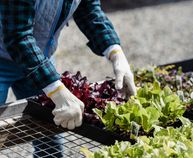
Fill troughs with multipurpose compost and sow little and often. Harvest outer leaves to keep plants producing over several weeks.

Build a spiral with stones or bricks, filling with gritty compost. Plant Mediterranean herbs at the top and moisture lovers below.